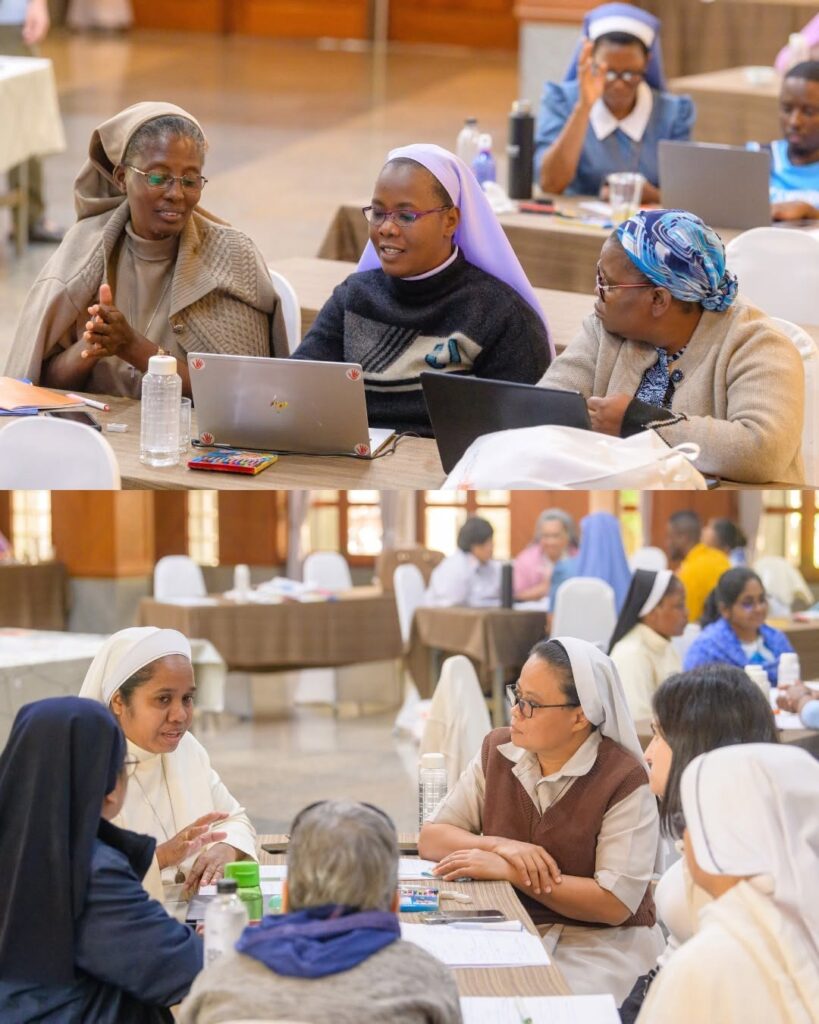
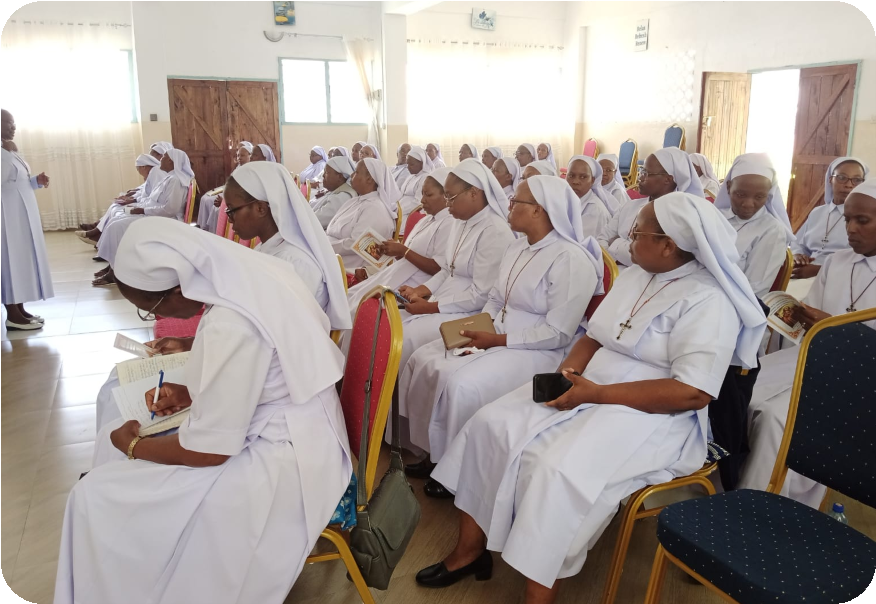
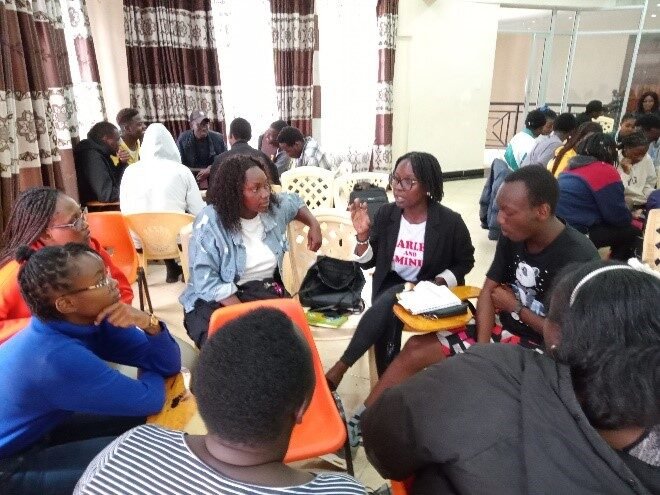
Talitha Kum Kenya continues to invest in strong leadership and meaningful action in the fight against human trafficking. In June 2026, Sr. Mercy Mwayi, Director of Talitha Kum Kenya, participated in the in-person phase of the 6th Talitha Kum Leadership Training Course held in Bangkok, Thailand, joining 28 Talitha Kum members from 23 countries after six months of online preparation.
The training provided a rich platform for learning, exchange and collaboration, with a focus on leadership, public speaking, advocacy for systemic transformation and networking. Participants were also guided in developing anti-human trafficking projects that can be implemented within their local contexts.
This global learning experience strengthens Talitha Kum Kenya’s commitment to building capacity, deepening partnerships and advancing efforts to prevent human trafficking, protect survivors and uphold the dignity of every person.
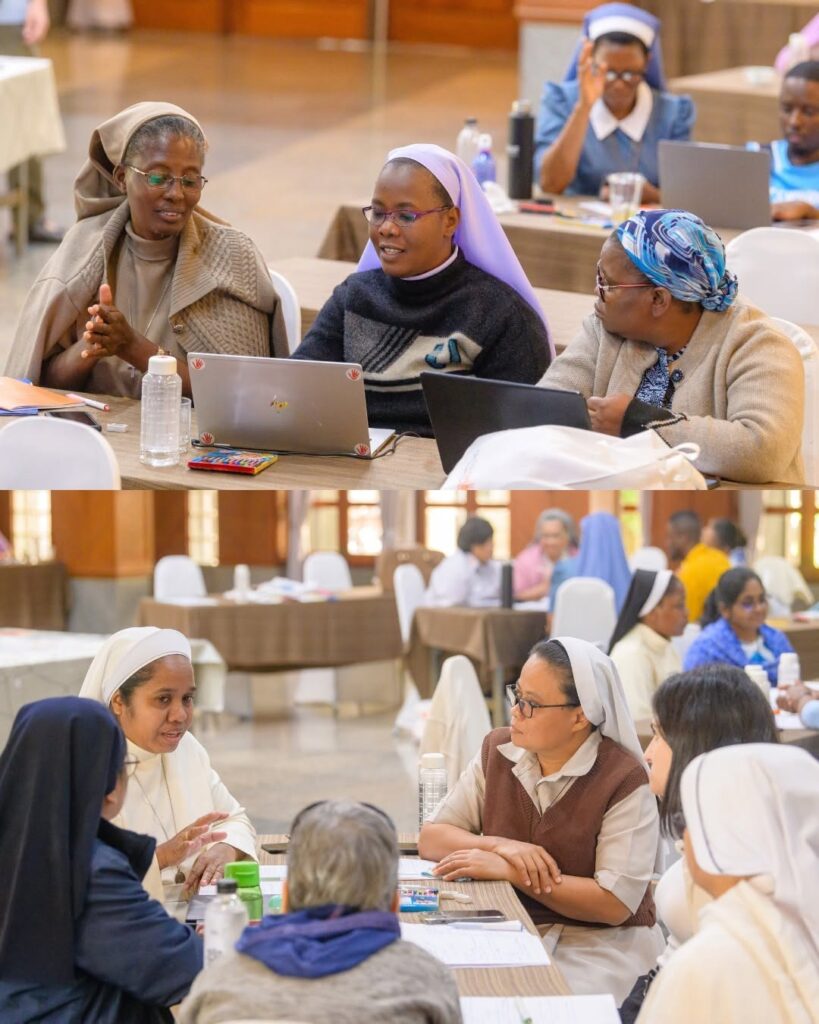
Talitha Kum Kenya continues to invest in strong leadership and meaningful action in the fight against human trafficking. In June 2026, Sr. Mercy Mwayi, Director of Talitha Kum Kenya, participated in the in-person phase of the 6th Talitha Kum Leadership Training Course held in Bangkok, Thailand, joining 28 Talitha Kum members from 23 countries after six months of online preparation.
The training provided a rich platform for learning, exchange and collaboration, with a focus on leadership, public speaking, advocacy for systemic transformation and networking. Participants were also guided in developing anti-human trafficking projects that can be implemented within their local contexts.
This global learning experience strengthens Talitha Kum Kenya’s commitment to building capacity, deepening partnerships and advancing efforts to prevent human trafficking, protect survivors and uphold the dignity of every person.
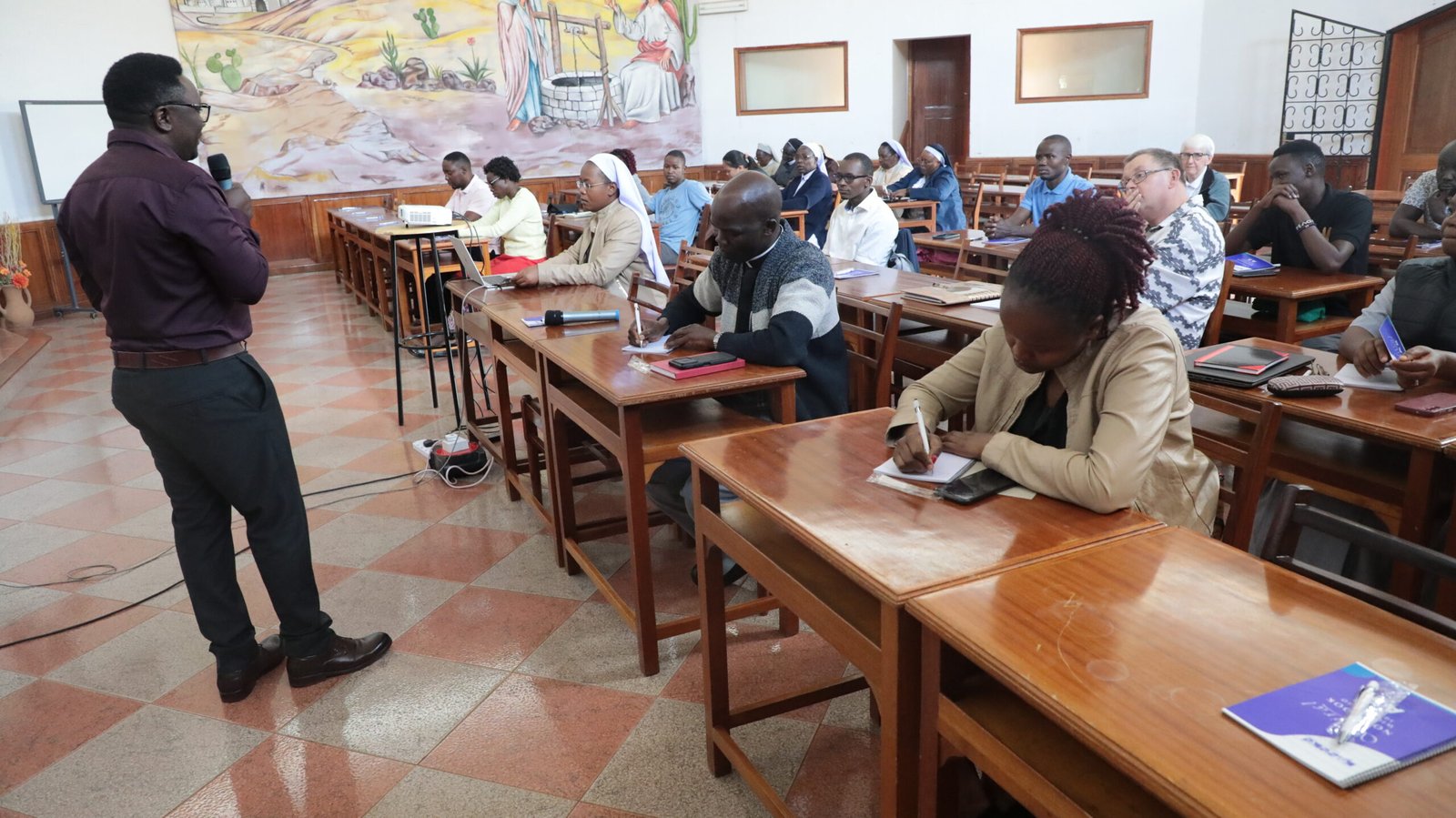
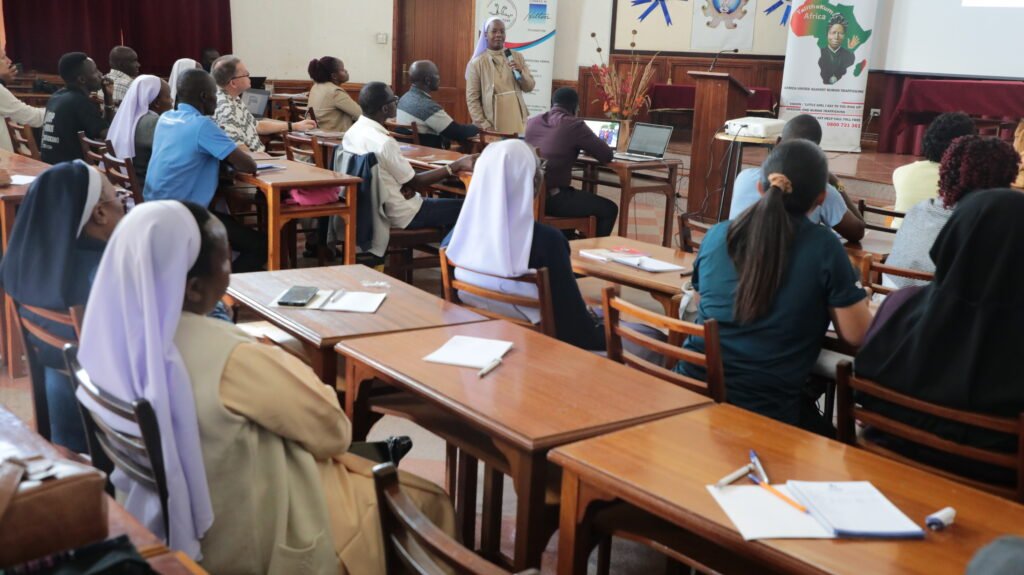
On the 24th and 25th of April 2025, Talithakum International Kenya (TIK) convened a pivotal start-up meeting at the serene Dimesse Retreat Centre. This significant gathering brought together member congregation contact persons, Talithakum Youth Ambassadors, and interreligious group representatives from Mombasa and Garissa, along with other stakeholders. The meeting’s primary agenda was to introduce the staff officials, members especially those who recently joined the program, provide an overview of the 2024–2026 proposal and project implementation work plan, and address key operational concerns, including delayed activity implementations.
The meeting commenced with a detailed explanation of the reasons behind the delays, attributed to donor-mandated adjustments. These included the need for program registration under a suitable name distinct from Talithakum International Kenya, the realignment of foundational documents such as the constitution, and the selection of new board members to guide the program’s vision. These adjustments, though necessary, disrupted the initial timelines, pushing the start of activities initially slated for July 2024. As a result, members resolved to implement the remaining 2024 sessions before June 2025, ensuring a seamless transition into the second phase from July 2025 to June 2026.
The forum also illuminated two cornerstone programs: the Talithakum Youth Ambassadors and the Interreligious Initiative. The Talithakum Youth Ambassadors program, a vibrant extension of the global Talitha Kum network under the International Union of Superiors General (UISG), empowers Kenyan youth as agents of change in combating human trafficking. Participants were enlightened on the program’s core objectives: raising awareness, mobilizing youth for advocacy, fostering partnerships, and engaging communities. Members were particularly inspired by the peer-to-peer outreach strategy, leveraging the relatability and technological savvy of young leaders to educate vulnerable groups and combat trafficking through innovative digital platforms.
The Interreligious Group Initiative, a collaborative effort between TIK and St. Patrick’s Society, was also highlighted. Established in 2023, this initiative addresses human trafficking by uniting Christian and Muslim leaders to educate communities and inspire collective action. The program’s inclusivity was emphasized as a critical approach to combating human trafficking, fostering mutual respect among diverse faith communities to create a unified response to this social menace.
A robust session on budget reporting mechanisms introduced members to tools for efficient financial management, emphasizing the importance of timely expenditure submissions and compliance with fiscal agent requirements. Members were also urged to engage their superiors in discussions to increase the membership subscription fee from KES 5,000 to KES 10,000 to meet program needs adequately.
The forum further addressed the ongoing program registration process, with a history of naming challenges stemming from societal and donor considerations. Initially proposed as “Religious Against Human Trafficking (RAHT),” the name was deemed unsuitable due to sensitive local associations. The current working title, Talithakum International Kenya, was also contested by the donor. This necessitated the search for a new, appropriate name to ensure alignment with stakeholders and beneficiaries.
Members were introduced to a digitalized Monitoring, Evaluation, Accountability, and Learning (MEAL) framework using the Kobo Toolbox platform for seamless data collection and reporting. This transition to digital tools underlines TIK’s commitment to adopting innovative approaches for effective program management.
The meeting concluded on a high note with a unifying Mass and the official commissioning of the program, symbolized by a cake-cutting ceremony. This symbolic act of solidarity reinforced the shared commitment to combating human trafficking and fostering human dignity in Kenya.
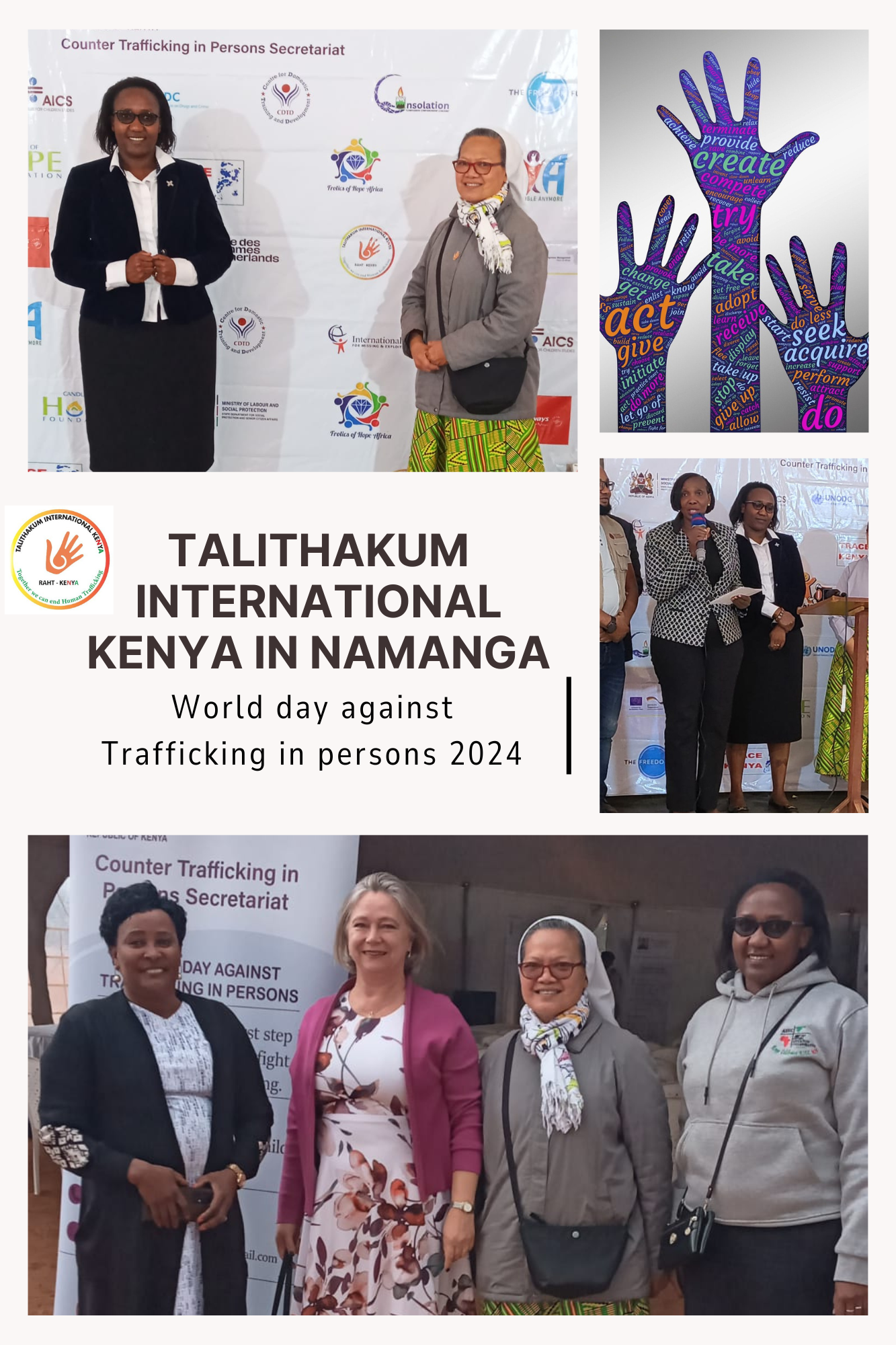
On July 30, Talitha Kum International Kenya marked the World Day Against Trafficking in Persons with the theme “Leave No Child Behind in the Fight Against Human Trafficking.” Sister Abby Avelino, International Coordinator, emphasized the urgent need to protect vulnerable children and women from trafficking.
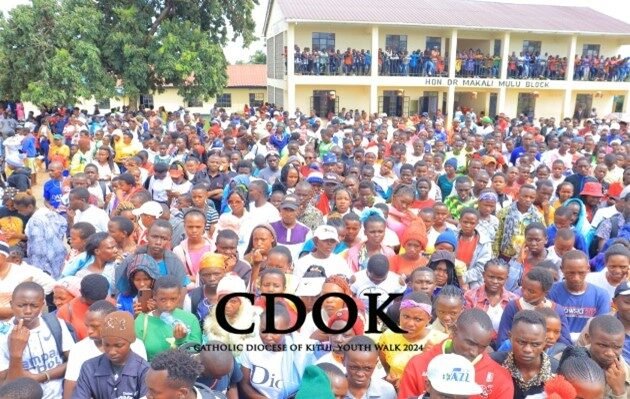
In the vibrant setting of the Diocesan youth walk in Kitui, a momentous effort to combat human trafficking unfolded with the organized caravan led by RSCK. This initiative, undertaken in collaboration with diverse stakeholders, marked a pivotal opportunity to engage with over 8,000 young individuals, shedding light on the stark realities of human trafficking within their own age groups. This proactive approach underscores the crucial role of directly involving youth in discussions about the insidious nature of trafficking, empowering them with essential knowledge and awareness to safeguard themselves and their communities.
The caravan served as a dynamic platform to educate and raise awareness about the multifaceted forms and deceptive tactics employed in human trafficking, particularly targeting young people. Through interactive sessions and engaging discussions, RSCK and its partners aimed to equip youth with the necessary tools to identify and resist the snares and exploitation associated with trafficking. The goal was not only to inform but also to inspire a sense of vigilance and proactive action among participants, urging them to play an active role in protecting themselves and their peers from this grave violation of human rights.
This initiative, part of a larger concerted effort to combat human trafficking, signifies a significant stride in reaching and empowering young individuals within the Kitui Diocese. By harnessing the energy and enthusiasm of the Diocesan youth walk, RSCK effectively utilized the platform to instill a sense of resilience and responsibility among thousands of young minds. The collaborative approach showcased a dedication to safeguarding the well-being and dignity of youth, equipping them with the awareness and tools necessary to navigate and confront the challenges posed by human trafficking within their communities. This collective effort serves as a beacon of hope and a call to action, emphasizing the pivotal role of youth in the ongoing fight against exploitation and injustice.
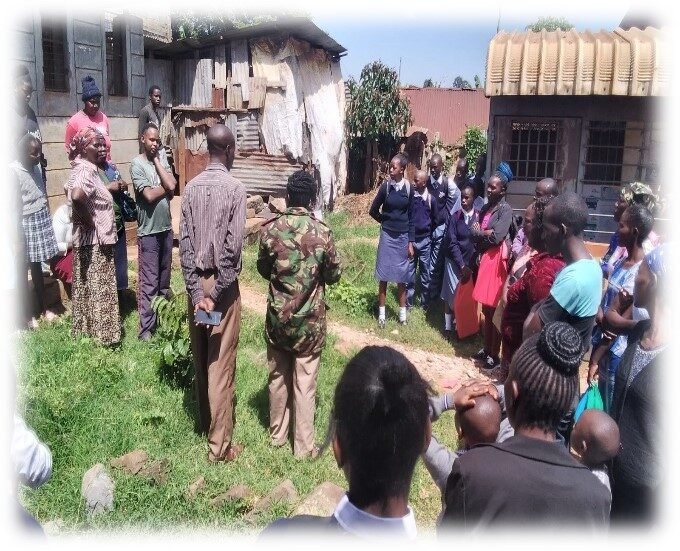
The Little Sisters of St. Joseph embarked on a transformative endeavor targeting human trafficking in Isinya-Olepolos Village, drawing an unexpectedly large crowd of over 170 participants, surpassing the initial estimate of 100 attendees. This heightened engagement showcased a profound interest, particularly among the youth, who eagerly sought to grasp the intricacies of human trafficking and arm themselves with the knowledge to identify potential risks. Facilitated by esteemed individuals such as Sister Martina Kioo, the session delved deep into the complexities of human trafficking, offering a comprehensive understanding that encompassed its definition, various forms, and associated risks. Using relatable examples, the facilitators effectively conveyed the gravity of the issue, leaving a lasting impact on the participants.
Feedback from the attendees illuminated a troubling reality: a widespread lack of awareness regarding human trafficking within the community. Many participants acknowledged instances of children being sold or exchanged, often attributing such practices to cultural norms rather than recognizing them as severe violations. This realization sparked a collective determination among the participants to engage in further discussions and take tangible actions. Groups dedicated to combatting human trafficking and advocating for its eradication were formed, comprising youth, women, and elders united in their mission to stop all forms of slavery and trafficking.
However, amidst this enthusiasm for awareness and advocacy, significant challenges were brought to light. Participants highlighted difficulties in accessing protection services and seeking justice, citing cultural barriers and entrenched practices such as early marriage as major hurdles. In response, the focus has shifted towards empowering the youth with the necessary knowledge and skills to advocate effectively against human trafficking. Efforts are underway to foster a community-wide understanding of the issue, with a renewed emphasis on continuous awareness initiatives and the integration of anti-trafficking discussions into community gatherings and meetings. This holistic approach aims to facilitate lasting change and create a safer, more informed environment for all community members.
The Loreto Sisters Eastern Africa, a proud member Congregation of Talithakum International Kenya, has embarked on an admirable mission to combat human trafficking, notably through a groundbreaking project implemented in the Gishagi Informal settlement of Kangemi. This initiative has united a diverse range of stakeholders, including Community Health Volunteers, Paralegal Officers, law enforcement agencies, and local government officials, fostering a collaborative approach to prevention and protection against human trafficking within the informal settlements.
The project’s model revolves around a comprehensive strategy aimed at empowering the community to take charge of identifying, assessing, referring, and monitoring cases of trafficking. This includes a special focus on vulnerable groups such as asylum seekers, refugees, and individuals with disabilities, ensuring that no one is left behind in the fight against exploitation.
Preventive measures are implemented through a multitude of platforms within the informal settlement, including educational institutions, religious gatherings, community gatherings, women’s self-help groups, healthcare facilities, and even among local transportation providers like boda boda riders. Since its inception from March 2023 to March 2024, the project has made significant strides, reaching out to and engaging a substantial number of individuals, with 7,215 females and 3,918 males, totaling 11,933 people, benefiting from the awareness campaigns and educational initiatives.
In terms of victim rescue and support, the project has demonstrated exceptional effectiveness in managing the rescue, repatriation, and successful reintegration of 19 survivors. Their journey to recovery has been carefully documented with the utmost confidentiality, showcasing a commitment to protecting their dignity and privacy. Many survivors have experienced remarkable progress, accessing education, healthcare, and economic empowerment opportunities that have paved the way for them to lead fulfilling lives post-trauma.
The collaborative partnership between the Loreto Sisters and CHTEA in referring victims for safe housing and counseling sessions has proven invaluable over the past two years, providing a robust support network for survivors of human trafficking. This holistic approach not only addresses immediate needs but also focuses on long-term healing and empowerment, setting a powerful example of community-driven initiatives making a tangible impact in the fight against exploitation and injustice.
In Mombasa County, a comprehensive five-day training initiative focused on raising awareness about human trafficking recently took place, led by Sr. Joan and Sr. Agnes Nanjala SSJ. This intensive program was tailored for adult community members and church parishioners residing in Kisauni and Jomvu sub-counties, drawing the enthusiastic participation of approximately 400 individuals from various church groups and community outreach programs. The attendees’ commitment to punctuality and their evident eagerness to delve into the intricacies of human trafficking underscored the gravity of the issue and the community’s thirst for knowledge, particularly in understanding the legal frameworks surrounding such matters.
During the training sessions, a significant aspect emerged as ten survivors, all women aged 25 to 35, were identified as requiring crucial psychosocial support and counseling. Additionally, distressing cases were uncovered, involving 25 victims of trafficking who had fallen into the clutches of deceitful agents promising lucrative opportunities but were now entrapped due to their documents being unlawfully withheld. Recognizing the urgency, experts highlighted the need for immediate follow-up actions in these distressing situations.
To address the critical mental health needs of survivors, five of the identified individuals are currently undergoing dedicated counseling sessions as part of the ongoing support efforts. Moreover, the training sessions brought to light several alarming emerging issues within the community:
Early marriage surfaced as a significant challenge, underscoring the vulnerability of young individuals.
The prevalence of drug abuse and substance addiction emerged as pressing concerns requiring concerted intervention strategies.
Poor parenting styles and dysfunctional family dynamics were identified as root causes contributing to vulnerability.
A striking lack of awareness about human trafficking, especially in remote areas, highlighted the need for widespread education and outreach initiatives.
The pervasive issue of corruption emerged as a formidable obstacle, particularly hindering effective case management and victim protection efforts.
Concerns were raised regarding the inadequacy of the existing legal framework in adequately safeguarding victims and ensuring their access to justice.
This multifaceted training program not only shed light on the harsh realities of human trafficking but also illuminated the interconnected social issues that contribute to vulnerability within communities. The findings underscore the urgent need for comprehensive interventions, collaborative efforts, and systemic changes to combat trafficking, protect survivors, and promote a safer, more informed society.
The St. Patrick’s Society recently spearheaded an eye-opening awareness program targeted at 54 young adults aged 18 to 27. This initiative went beyond just informative sessions; it included interactive presentations, group discussions, and invaluable feedback sessions. Despite having some prior knowledge about human trafficking, the participants discovered the depth and breadth of this issue within Kenya, realizing its various forms, including both inbound and outbound trafficking.
The heart of the discussions revolved around the lurking dangers within their own communities. The youth were enlightened about the tactics used by agents to lure unsuspecting individuals, especially focusing on the prevalent risk of drug trafficking. There was a palpable eagerness among the participants to understand how they could shield themselves from such risks, with a spotlight on the critical need for thorough background checks before venturing abroad for work opportunities.
Additionally, the Safeguarding Committee of the Parish actively engaged in a session following the youth program. Their keen interest in delving deeper into the complexities of human trafficking reflected a commitment to better serve and protect the community, particularly the youth and their families. Feedback from both the young adults and the committee highlighted distressing realities, including instances of trafficking happening right in their midst, with agents exploiting relationships for nefarious gains, both locally and internationally.
The conversations also touched on the importance of having clear reporting mechanisms in place. Participants sought clarity on how to report suspicious activities and were equipped with vital contacts, including law enforcement agencies and Talithakum International – Kenya, offering a lifeline through their toll-free number.
A crucial outcome of this initiative was the unanimous recommendation for organizing workshops aimed at parents. The goal is to arm them with the knowledge needed to recognize and address the risks of human trafficking that their children might face. This unified approach underscores the power of community involvement and education as potent tools in the fight against human trafficking, emphasizing the collective responsibility to safeguard vulnerable individuals and thwart exploitation.